Contact Us(225) 664-2646
Address245 Veterans Blvd, Denham Springs, LA 70726
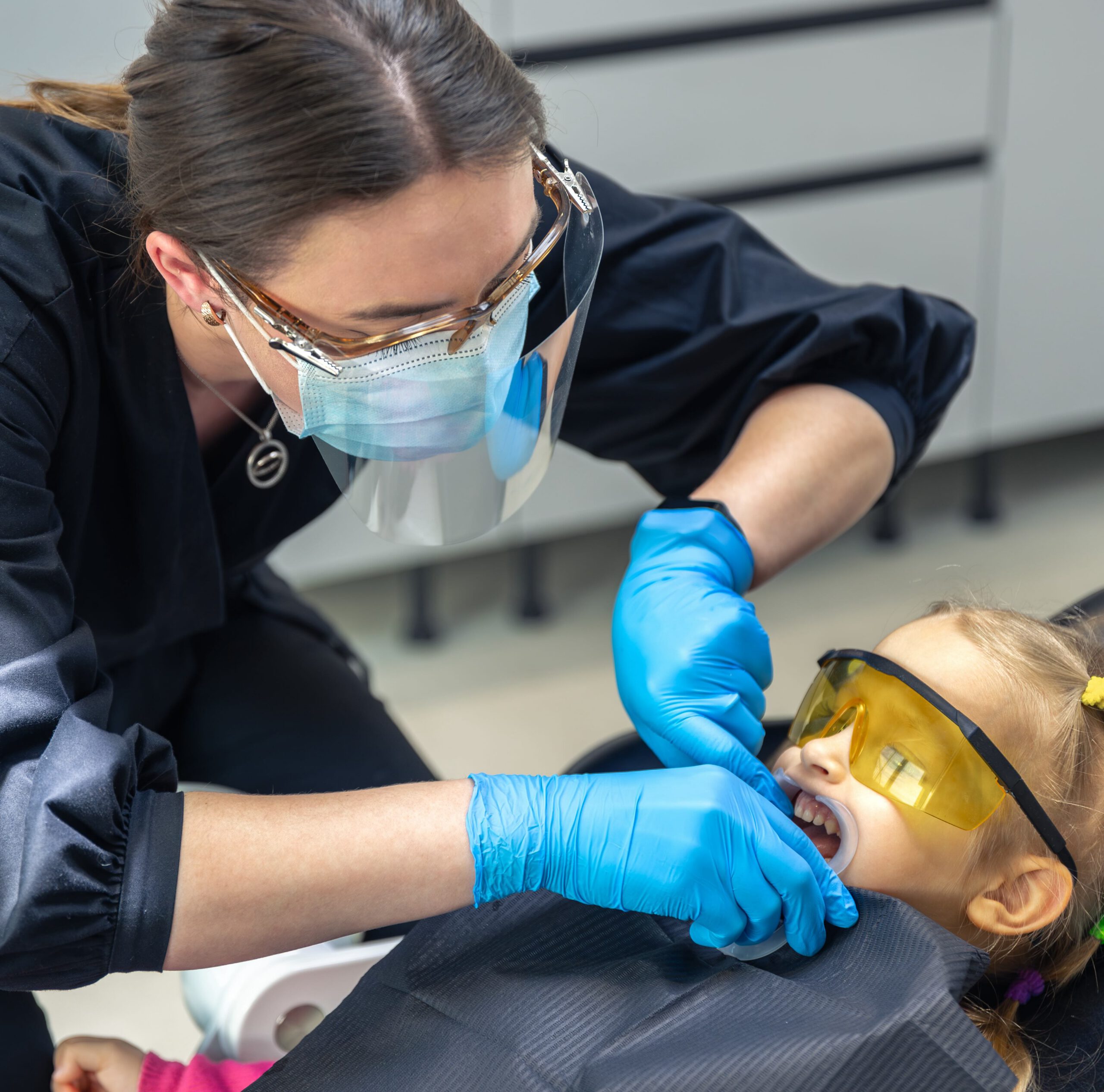
If you face a dental emergency, give us a call immediately. If you need urgent treatment after hours, you can call our office for the emergency number. We are always here to assist when your child’s dental health is at risk.

Below are tips on dealing with urgent dental situations. You may want to display this list on your refrigerator or store it near your emergency phone numbers for easy reference.
If your child has bitten their lip or tongue severely enough to cause bleeding or swelling, call our office to let us know. Soft foods and Tylenol or Ibuprofen can be administered while this heals to make the child more comfortable. Watch the child to ensure they don’t re-injure the area. The mouth usually heals very quickly.
If your child has something caught between their teeth, use dental floss to gently remove it. Never use a metal, plastic, or sharp tool to remove a stuck object. If you are unable to remove the item with dental floss, give us a call.
If your child has chipped or broken their tooth, call us immediately. If the child is in pain, make an appointment to come see us at the office for an exam. If the piece of tooth is large and you are able to retrieve it, you can bring it in with you. The broken tooth can usually be repaired.
If your child’s permanent tooth has been knocked out of the mouth, call us immediately. If able, find the tooth and rinse it with water (no soap), taking care to only touch the crown of the tooth (the part you can see when it’s in place). Place the tooth in a clean container with milk or water. If you act quickly it’s possible to save a knocked out permanent tooth.
If your child has a very loose baby tooth, it should be removed to avoid being swallowed or inhaled. If your child has a loose permanent tooth due to trauma, call us immediately. You may be able to reposition the permanent tooth yourself. Soft foods can be helpful during this time.
If your child complains of a toothache, inspect their mouth for obvious signs of pain. These may include a hole in the tooth, a bubble around the gums which could be an abscess, or irritated gums. If any signs of pain are visible, call our office. Patients also complain of pain upon teething which is normal and can be treated with Tylenol or Ibuprofen. Teething can occur in infants up to older children whose twelve year molars are coming in.
If you know or suspect your child has sustained a broken jaw, call our office and/or head to the hospital immediately.
You can help your child avoid dental emergencies. Child-proof your house to avoid falls. Don’t let your child chew on ice, popcorn kernels, or other hard foods. Always use car seats for young children and require seat belts for older children. If your child plays contact sports, have them wear a mouthguard. Finally, prevent toothaches with regular brushing, flossing, and visits to our office.